

These courses are accredited in the province of Alberta for 2 CME credits each.
You must meet the prerequisites as listed in the Registration form to access this content.
To enroll in accredited courses, Log In

Course Objectives
By the end of this course, participants will be equipped to:
- Recognize highly sensitive teens.
- Explain the common ways highly sensitive teens struggle.
- Describe strategies for parents to help their teen.
- Describe strategies for highly sensitive teens to manage emotions.
Course Objectives
By the end of this course, participants will be equipped to:
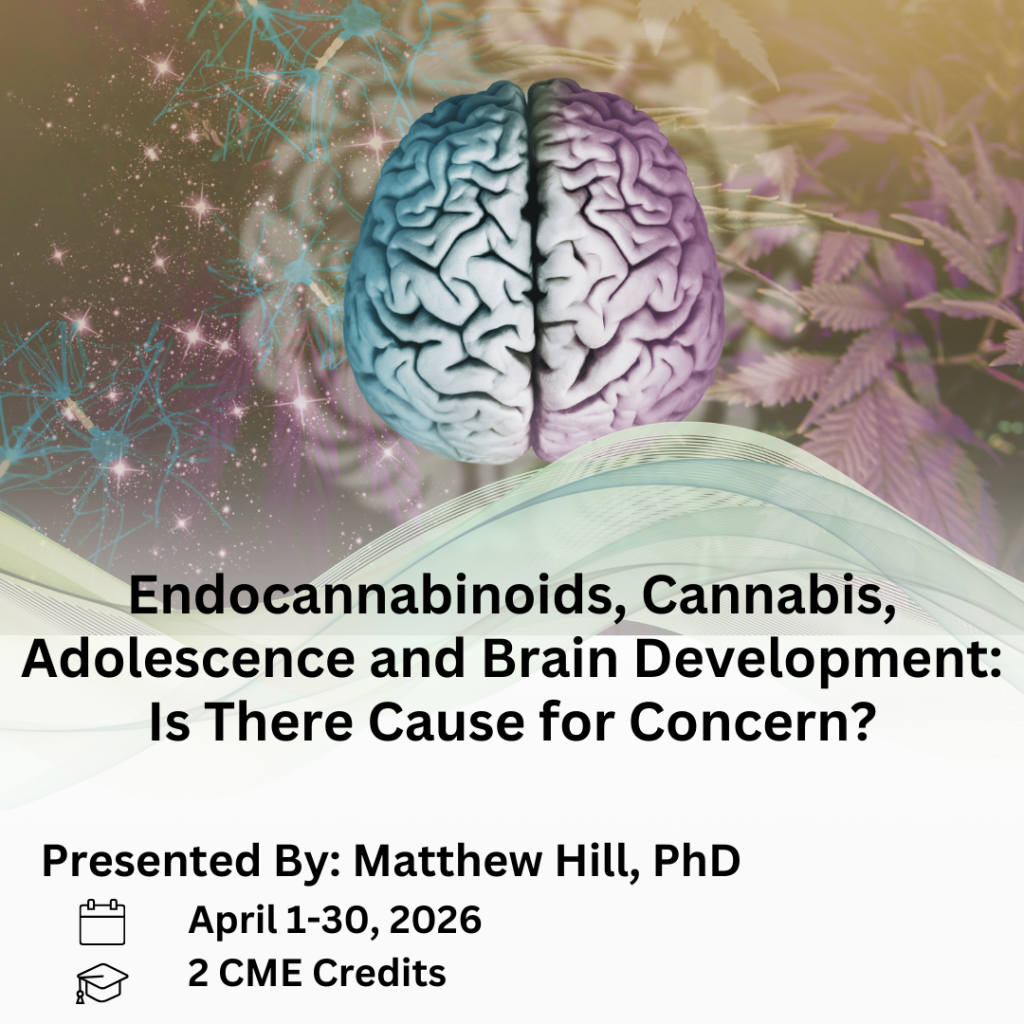
- Explain how cannabis acts on the endocannabinoid system and how the endocannabinoid system is involved in neurodevelopmental processes.
- Describe the current state of knowledge regarding the impacts of adolescent cannabis use in humans on brain development and neuropsychological function.
- Explain how preclinical literature using animal models informs the influence of cannabis in humans and describe what we know about the neurodevelopmental impacts of cannabis exposure during adolescence.
Course Objectives
By the end of this course, participants will be equipped to:
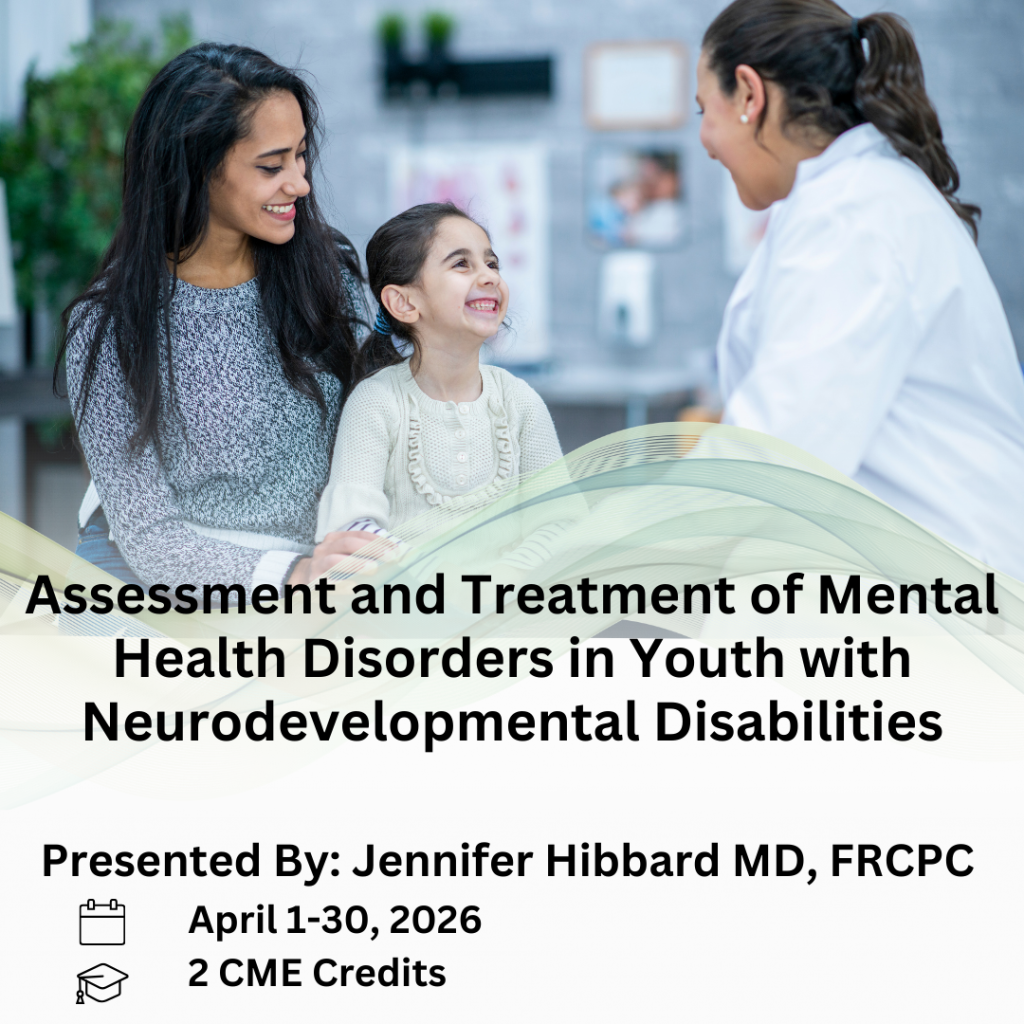
- Define and describe common neurodevelopmental disabilities of childhood and their relationship to mental health disorders.
- Identify diagnostic tools that are useful in identifying neurodevelopmental disabilities.
- Apply clinical strategies that are helpful in diagnosing co-morbid mental health disorders in a vulnerable population.
- Summarize biopsychosocial recommendations for treating mental health disorders and severe behaviour disorders in youth with dual diagnoses.
- Emphasize support needs for families supporting youth with neurodevelopmental disabilities.
Course Objectives
By the end of this course, participants will be equipped to:
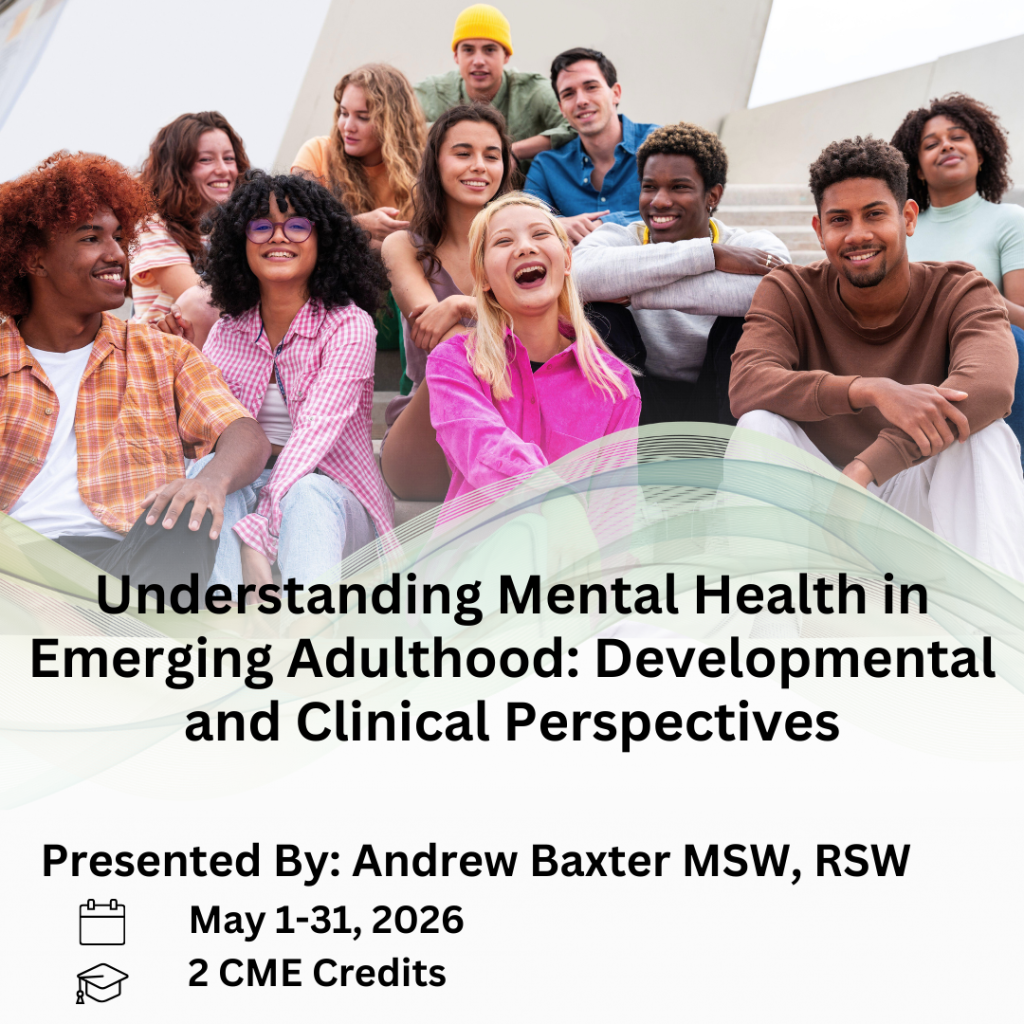
- Differentiate between mental distress, mental health problems, and mental disorders, and apply these distinctions when assessing and responding to mental health presentations in emerging adults.
- Describe core developmental tasks of emerging adulthood—such as identity exploration, increasing independence, and evolving relationship dynamics—and explain how these influence mental health and care needs.
- Identify signs and symptoms of common mental disorders that typically emerge between ages 16 and 25, including how they may present in ways that impact daily functioning, relationships, or educational performance.
- Use developmentally appropriate, non-pathologizing language when engaging young people in conversations about mental health, including strategies to normalize stress and differentiate it from clinical concern.
- Recognize common barriers to help-seeking in emerging adults, and apply engagement strategies that support autonomy, build trust, and address discomfort with mental illness or professional care.
- Outline general principles for when to intervene, offer brief support, or connect emerging adults to additional care, while considering their developmental stage, evolving identity, and broader social context.
To enroll in accredited courses, Log In
Wish to view or revisit previously offered courses? Check them out in the Category B area.